Welcome to Cyber Hygiene, my weekly newsletter, where I share tips and actionable data to help everyone stay safe online.
🔍 What is the Tea App and What Went Wrong?
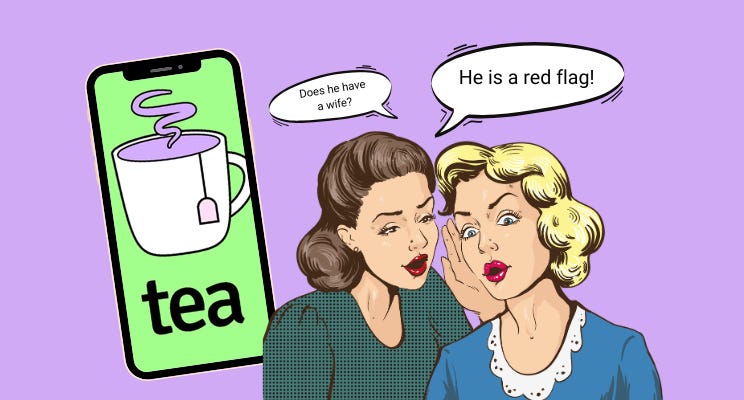
Tea was a women-only app designed to help users share anonymous reviews and experiences about men they had dated. The goal was to create a safer, more transparent dating environment by flagging red flags and warning others about harmful behavior.
But last weekend, everything unraveled.
A major security breach exposed over 72,000 user images, including 13,000 photo IDs and 59,000 images from public posts and direct messages. That alone would have been bad enough, but the situation got worse.
Days later, a second leak revealed that 1.1 million private messages between users had been accessed. These conversations included highly sensitive topics such as abortions, cheating, abusive partners, and personal contact details. Some of this data was used to create a cruel ranking game on underground forums, turning people’s trauma into entertainment.
Tea initially claimed the breach was limited and justified the image storage as part of cyber-bullying prevention policies. But many experts now say the breach stemmed from negligent data storage practices, not a sophisticated hack. The app left sensitive data publicly accessible online with little to no protection.
🧠 What the Tea App Breach Teaches Us
This breach is not just about poor cybersecurity, it is about broken trust.
When people join platforms like Tea, especially ones marketed as safe spaces, they expect a higher level of responsibility. Tea asked users for real identities, photo IDs, and allowed sharing of deeply personal experiences. That kind of platform must prioritize security from day one.
Instead, users were left exposed. And the consequences are real: doxxing, harassment, stalking, and emotional harm.
It’s a reminder that safety isn’t just about who can access a space. It’s about how that space is built and protected.
❓Can This Happen to Other Dating Apps?
Yes. And it already has.
Take Ashley Madison, for example. In 2015, the dating website marketed for extramarital affairs was hacked, and over 30 million user records were released. The breach included names, emails, home addresses, and even sexual preferences. Several people faced public shame, lawsuits, and some reports linked the exposure to suicides.
While Ashley Madison was widely criticized for its controversial service, the root problem was the same as Tea: a failure to treat sensitive data with the care it deserves.
Many dating platforms still collect large amounts of personal information such as photos, IDs, chat histories, location data with unclear protections. If their infrastructure is weak or their priorities skewed toward growth over safety, the risk is always there.
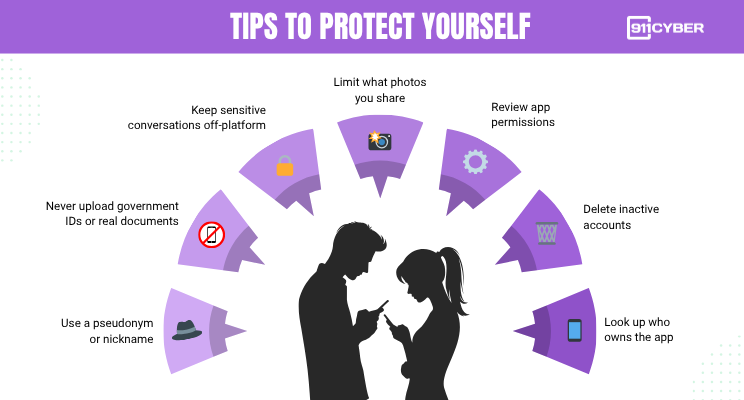
🔐 Tips to Protect Yourself
If you’re dating online, your privacy and safety depend on more than just who you match with.
🧰 Cyber Resources for Safer Online Dating
📚Books
Before You Date Him, Investigate Him (2013) by Mr Louis A Savelli and Mr Sam Del Rosario
Online Dating (2017) by Mila Lewis
Cyber Daters Beware (2014) by Noah Pranksky
Secure Connections(2024) by William Q Miller
🎙️ Podcasts
How to Protect Your Privacy with Online Dating Apps by TechTank
Online Dating and Privacy by Privacy Files
Think You’re Safe on Dating Apps? by Kenya Fairley, Diversity: Beyond the Checkbox
Dateable – True Stories of Dating App Scams by Yue Xu and Julie Krafchick
▶️ Videos
🧠 Final Thoughts
Dating should never come at the cost of your privacy.
The Tea app breach is a harsh reminder that even platforms created for safety can become sources of harm if cybersecurity is an afterthought. Whether you’re sharing vulnerable stories, uploading personal photos, or simply chatting with a match, the risk is real when your data is not properly protected.
You do not need to delete all your dating apps, but you do need to treat them like any other part of your digital life: with caution, awareness, and boundaries.
Privacy is not a feature. It is a right. And protecting it starts with knowing how your data is stored, shared, and secured, or not.
Stay smart. Stay alert. Stay safe.
