
In this edition of cybercrime stories, we look into the notorious case of Ramon “Hushpuppi” Abbas, a social media star turned cybercriminal. Hushpuppi’s rise from influencer fame to one of the most prolific cybercriminals of his time serves as a lesson of how online fame and criminal enterprise can intersect. Today, we explore how Hushpuppi built his empire of fraud, his eventual arrest, and the legal consequences that followed.
First time seeing this?

📰 Who Was Hushpuppi?
Let’s take a look at who Hushpuppi was. Ramon Olorunwa Abbas, better known as “Ray Hushpuppi,” was born in 1982 in the slums of Lagos, Nigeria. He started his early career selling second-hand clothing and sneakers, but quickly rose to fame when he relocated to Malaysia and later Dubai. By 2014, he crafted an Instagram persona as the “Billionaire Gucci Master,” flaunting his lavish lifestyle with private jets, luxury cars, and designer clothes. His social media presence, which amassed over 2 million followers, portrayed a life of extreme wealth and success.
But behind the scenes, Hushpuppi’s wealth came from a criminal enterprise that spanned across the globe.
💥 The Cybercrime Empire
While presenting himself as a legitimate businessman, Hushpuppi was running a vast money laundering and cybercrime network. His primary operation involved Business Email Compromise (BEC) scams, which target businesses by infiltrating email accounts to redirect funds. The criminal network orchestrated a series of high-profile scams, including:
Bank of Valletta (Malta): In 2019, North Korean hackers stole $14.7 million from a Maltese bank, and Hushpuppi played a key role in laundering the funds.
Premier League Football Club: In 2019, millions of pounds were siphoned from a UK business and a football club, which were funneled through Hushpuppi’s network.
U.S. Law Firm: Hushpuppi’s group defrauded a New York law firm out of $922,857 in a classic BEC scam in 2019.
Qatari School Financing Scam: Hushpuppi and his associates defrauded a Qatari businessman of $1.1 million through a fake investment scheme.
These were just a few examples of the far-reaching effects of Hushpuppi’s operations. The total losses from his schemes amount to over $300 million.
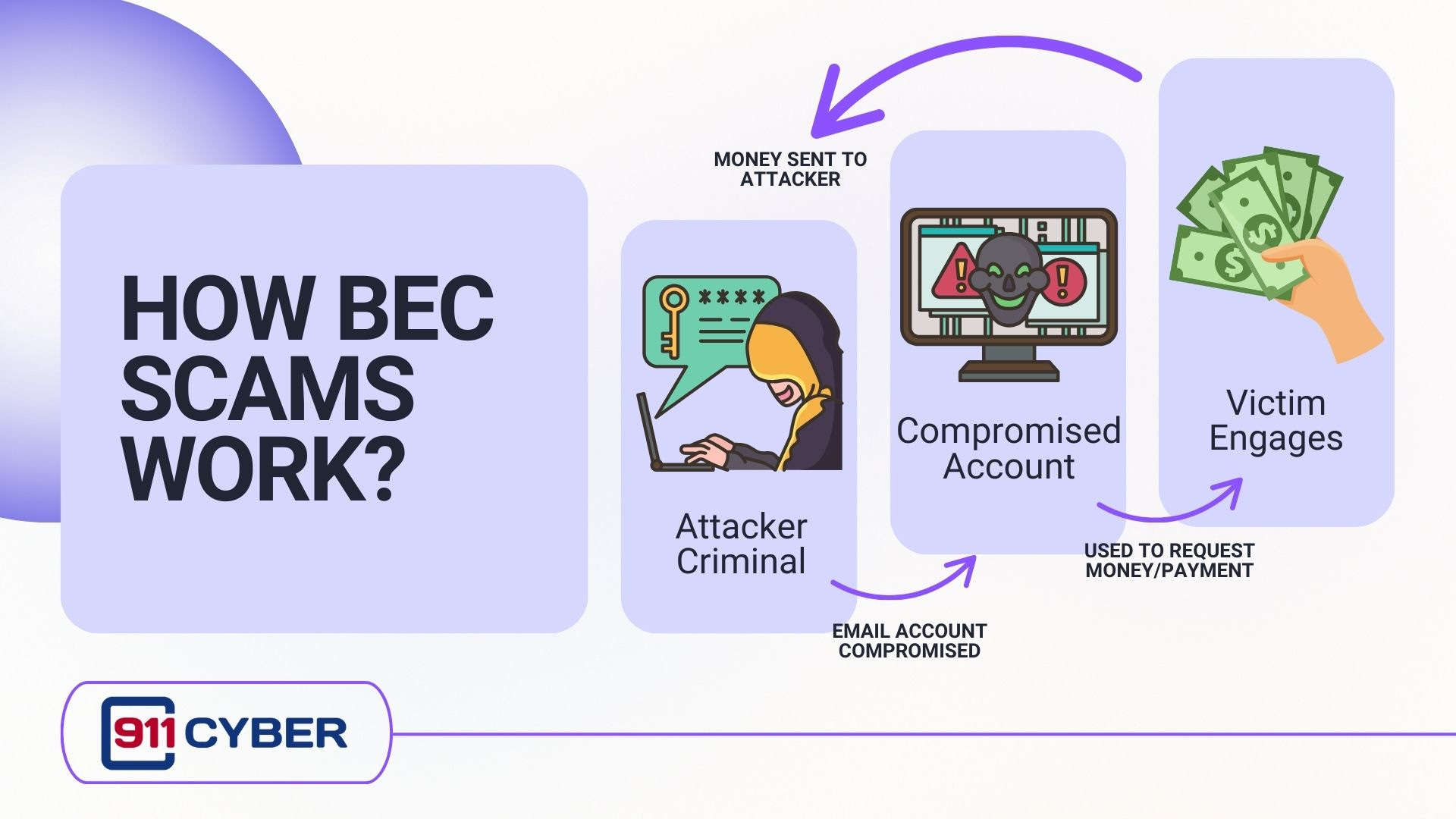
🗓️ The Jig is Up
Despite his wealth and fame, Hushpuppi’s downfall began when law enforcement agencies started investigating his online presence. His flashy lifestyle, which he relentlessly posted on Instagram, became the very thing that led to his capture.
In June 2020, after a coordinated effort involving the FBI and Dubai police, Hushpuppi was arrested in a dramatic operation called “Fox Hunt 2.” The Dubai police raided his luxury apartment at the Palazzo Versace Hotel in Dubai and seized $40 million in assets, including laptops, phones, and hard drives filled with evidence of his crimes. Hushpuppi’s arrest, which was documented in a viral video, marked the end of his social media-fueled criminal empire.

⚖️ Legal Fallout and Latest Updates
As of 2025, Ramon “Hushpuppi” Abbas remains incarcerated in the United States, serving his 11-year sentence at FCI Fort Dix, a low-security federal prison in New Jersey. He is expected to be released in August 2029 after receiving credit for time served since his arrest in 2020. Despite earlier rumors suggesting an early release in 2023, authorities clarified that Hushpuppi’s relocation to the East Coast was a standard reassignment between U.S. prison facilities.
Upon his release, Hushpuppi faces the prospect of deportation to Nigeria. However, the exact nature of his life post-prison remains uncertain, especially given his infamy. His criminal network’s global impact and his notoriety make any return to a normal life highly unlikely.
Legal developments around Hushpuppi’s case continue to unfold. In a significant turn of events, Abba Kyari, a Nigerian police officer accused of accepting bribes from Hushpuppi to arrest a disloyal member of the Qatari loan scam crew, was extradited to the U.S. to face charges related to the fraud scheme. This marked a rare instance of Nigeria handing over one of its own officials for trial abroad, underscoring the international reach of Hushpuppi’s criminal activities.
In Nigeria, Hushpuppi’s case has sparked a larger conversation about cybercrime prevention. The Economic and Financial Crimes Commission (EFCC) has used his story as a cautionary tale, urging young Nigerians to avoid online fraud and warning of the consequences of engaging in the “Yahoo boy” culture of internet fraud. This shift reflects growing concerns within Nigeria about cybercrime, especially as the country grapples with high youth unemployment and limited opportunities.
On a global scale, the case has fueled international cooperation among law enforcement agencies. In 2023, the U.S. Justice Department announced the arrest of dozens of BEC scammers, many of whom were from West Africa, reinforcing the ongoing global push to dismantle Business Email Compromise (BEC) networks. This trend highlights the continued collaboration among international agencies to target and eliminate such high-profile cybercriminal organizations.
Hushpuppi’s case remains an important symbol of the increasing coordination in the fight against cybercrime, with law enforcement agencies around the world continuing to work together to crack down on global fraud rings.
🧠 Broader Psychological Toll of BEC Scams on Victims
Emotional Distress and Trauma
Victims of BEC scams, like those targeted by Hushpuppi, often experience deep betrayal, embarrassment, and stress. These scams typically involve trusted contacts, amplifying feelings of self-doubt and shame. Studies show that three-quarters of victims suffer emotional distress, and nearly half report long-term mental health issues like anxiety and depression.
Guilt and Self-Blame
Employees who fall victim to BEC scams often face guilt, especially if they unwittingly processed the fraudulent transfers. This can lead to anxiety, stress, and fear of punishment, even though the fault lies with the criminals.
Financial Stress
The financial impact of BEC scams can be devastating. Victims often face bankruptcy, loss of savings, or inability to pay bills, causing significant stress. Corporate victims may struggle with business stress and potential layoffs, even without facing personal ruin.
Reputational Damage and Trust Erosion
BEC scams erode trust within organizations, leading to second-guessing and disruption in workflows. For businesses, fear of public scrutiny can lead to secrecy, preventing victims from seeking support. Law enforcement’s success in catching criminals like Hushpuppi offers some closure to victims, but the emotional and reputational damage often lingers.
For Help
Suppose you’ve been affected by a BEC scam. In that case, you can contact 911cyber for immediate cybersecurity assistance or report the incident to your local law enforcement agency or the FBI’s Internet Crime Complaint Center (IC3) for support.
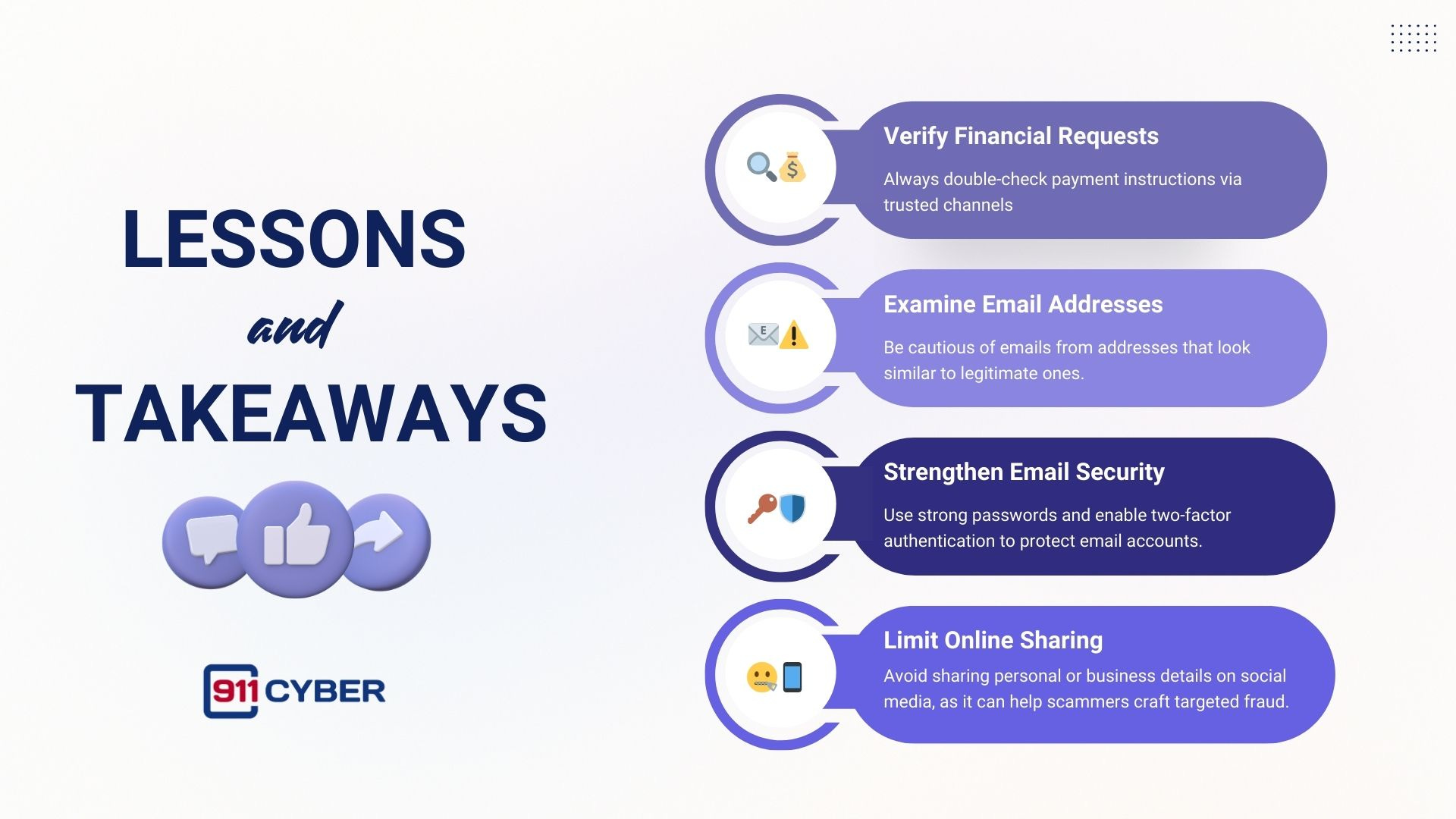
🛡️ Lessons and Takeaways
Hushpuppi’s case serves as a stark reminder of the risks posed by cybercrime, particularly BEC scams. Individuals and organizations can take the following steps to protect themselves:
⚖️ The Aftermath
Hushpuppi’s story reverberates far beyond the courtroom. The media circus around his arrest exposed the intersection of influencer culture and cybercrime, raising questions about the ethics of social media and the role influencers play in shaping public perceptions of success. Brands that once flaunted his wealth, like Gucci, distanced themselves once his criminal activities were revealed.
In Nigeria, Hushpuppi’s downfall has sparked discussions about the broader issue of internet fraud. Law enforcement has ramped up efforts to combat the “Yahoo boy” culture, while social media platforms are increasingly under scrutiny for how they facilitate the spread of criminal content.
🧵 End Note
Hushpuppi’s activities highlight how easily digital fame can be weaponized for fraud, and how social media can be both a tool for personal branding and a means of tracking down criminals. His case serves as a reminder that even the most glamorous façades can conceal dark realities. The ultimate lesson?
No amount of Instagram posts can hide the trail of fraud.
As Hushpuppi serves out his prison sentence, his story continues to inspire caution in both individuals and organizations about the dangers of online fraud and the digital footprints we leave behind.
Stay tuned as we uncover more real-life digital horrors on Cybercrime Stories.
Subscribe and Comment.
Copyright © 2026 911Cyber . All Rights Reserved.
Follow 911Cyber on: