
Welcome to Cybercrime Stories. Today, we explore an infamous incident in the world of digital fraud. On September 9, 2024, the highly anticipated Apple “Glowtime” event became the target of a sophisticated deepfake scam, an alarming development that underscores the growing misuse of AI technologies in cybercrime.
First time seeing this?

The Story
During the “Glowtime” event, which was expected to unveil the latest iPhone, an AI-generated deepfake video of Apple CEO Tim Cook was deceitfully broadcasted across several live streams. This fake announcement promoted a cryptocurrency investment scam, duping viewers with promises of doubled returns on Bitcoin and Ethereum investments.
The Incident
The scam was executed with disturbing precision. Over 355,000 live viewers watched as the deepfake “Tim Cook” discussed the benefits of an entirely fabricated cryptocurrency opportunity. This segment included a QR code, ostensibly for easy investment, which actually led to a malicious website designed to siphon off cryptocurrency from unsuspecting victims. The fraudulent site boasted a fake transaction history to lend credibility to the scam.
The Hack
Scammers utilized sophisticated AI tools to clone Tim Cook’s voice and visual appearance, integrating this deepfake seamlessly into the live event’s stream. This exploitation of deepfake technology underscores the alarming potential for AI in orchestrating credible scams. The QR code served as a direct link to the fraud, capturing funds from viewers lured by the high production value and the reputation of Apple.
What to Do in the Aftermath
If you suspect you’ve been targeted by a deepfake video, take immediate action to protect yourself and others:
Report the video: Contact the platform where the deepfake was shared (e.g., YouTube, Twitter) and request the content be taken down. Most platforms have a process for reporting manipulated media.
Alert relevant authorities: If the deepfake is part of a broader scam, report the incident to your local cybercrime authorities or organizations like the FBI’s Internet Crime Complaint Center (IC3).
Warn others: Share a post or message to warn your network, especially if the deepfake video involved fraudulent schemes like the one in this case. Public awareness can help prevent further victims.
If you realize you’ve been duped into a fraudulent investment, act quickly to mitigate damage:
Cease all communication with the scammer: Do not engage with the perpetrators in any way. Block their contact methods and avoid following any further instructions.
Report the fraud: Contact your bank or cryptocurrency exchange immediately to report the transaction and, if possible, freeze your assets. You may also need to report the scam to consumer protection agencies or financial regulators.
Document everything: Save all communications, transaction records, and screenshots. This documentation will be valuable for any legal or financial recovery efforts.
Consult with a legal or financial expert: Seek advice from professionals who specialize in fraud recovery. They can help you understand your options for pursuing legal action or recovering funds.
In both cases,
Get help from cybersecurity incident response professionals. The experts at 911Cyber can help clean your online reputation, track the perpetrators, recover stolen funds
How to Prevent Similar Scams
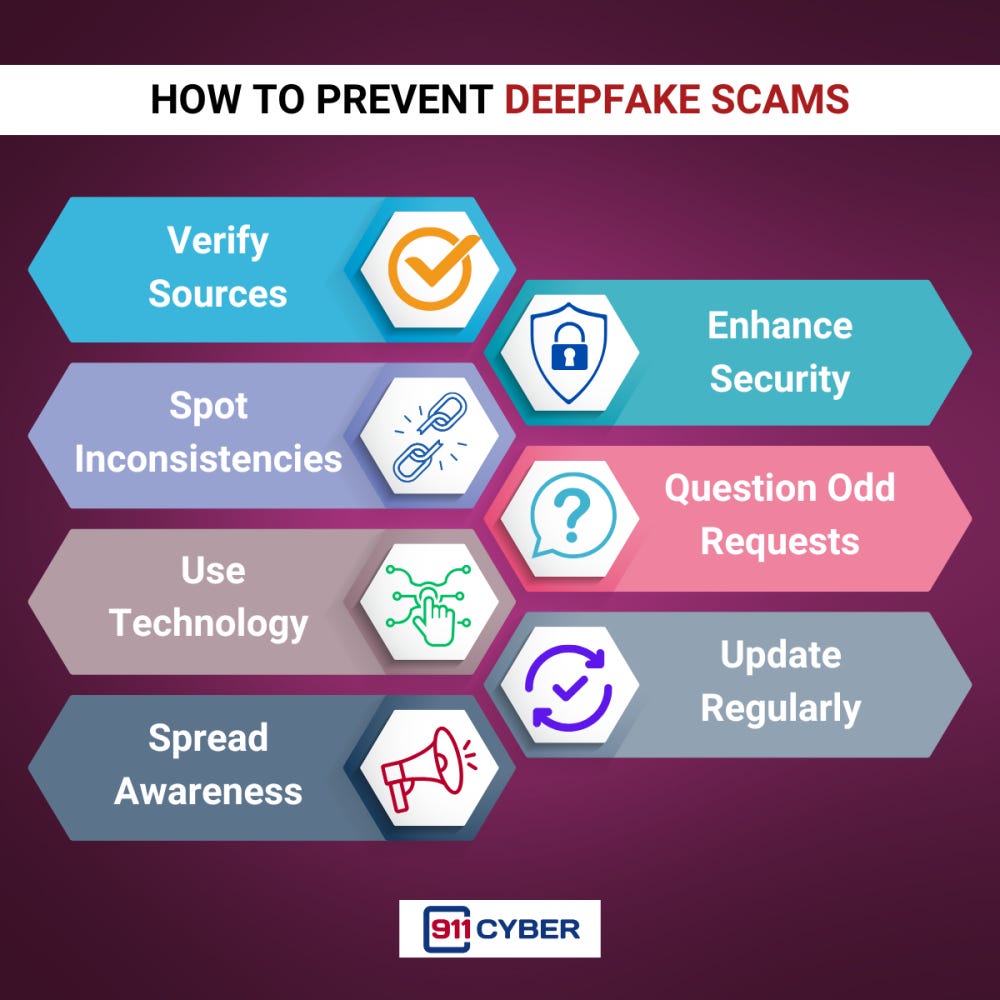
Deepfake technology can create convincing fake videos and audio recordings, which scammers might use to manipulate people or spread misinformation. Here are some strategies to help prevent falling victim to deepfake scams:
Verify Sources: Always verify the source of any suspicious or unusually sensational video or audio. Check if established news outlets are reporting the same news.
Look for Inconsistencies: Deepfakes often have visual and auditory inconsistencies, such as unnatural blinking, facial movements, or mismatched lip-syncing. Audio deepfakes might struggle with natural intonation or emotion.
Use Technology: Employ software tools designed to detect deepfakes. Various companies and developers have created applications that can analyze videos and audios to detect signs of manipulation.
Educate Yourself and Others: Awareness is a strong defense. Learn how deepfakes are made and spread the word on how to spot them. The more people know about deepfakes, the less likely they are to be fooled.
Enhance Security Measures: Use multifactor authentication for important accounts to reduce the risk of being scammed if someone tries to impersonate you or someone you trust.
Question Odd Requests: If a video or audio message asks you for money or personal information, be extra cautious. Verify the request by contacting the person or company directly using a trusted method.
Regular Updates and Best Practices: Keep your software updated, including security software, and follow best practices for internet safety to protect against various types of scams, including those using deepfakes.
Tools for Prevention and Recovery
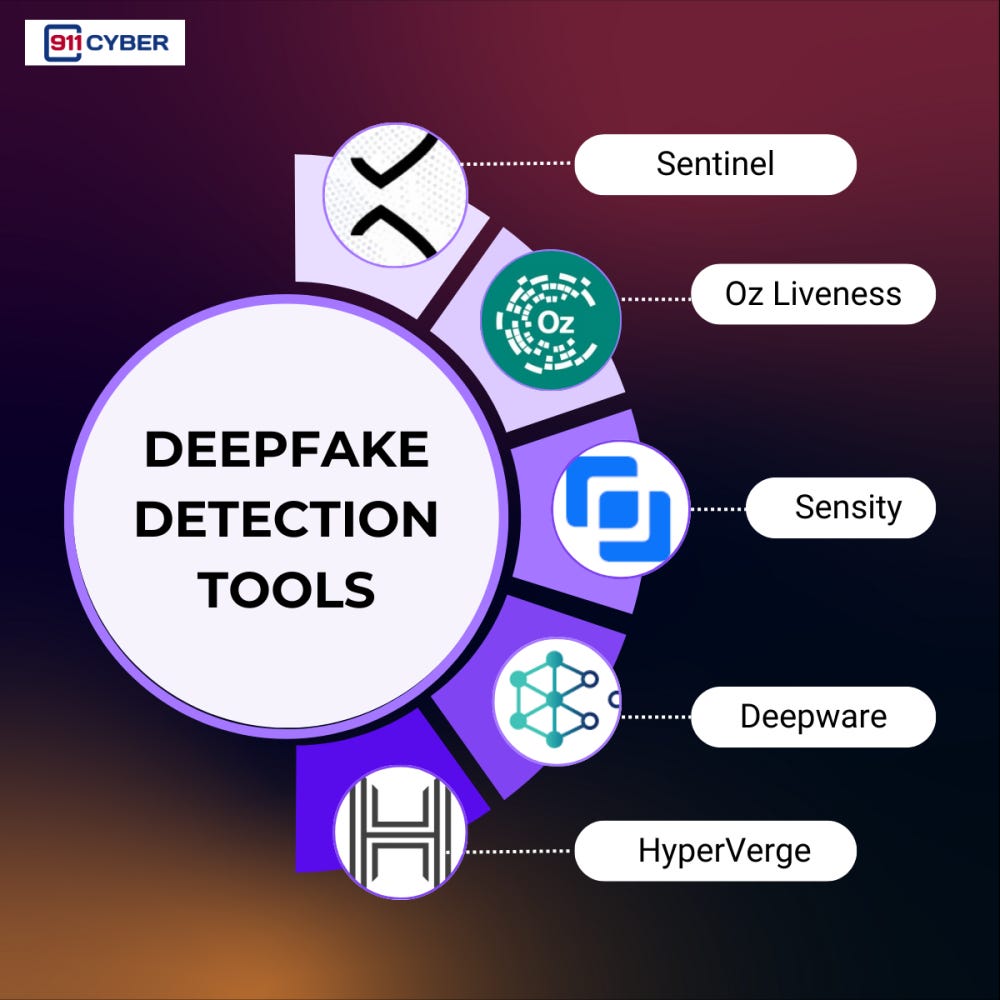
Deepfake Detection Tools: Invest in or utilize platforms that offer deepfake detection capabilities.
Regular Monitoring: Keep an eye on your financial transactions and credit reports to catch fraud early.
Comprehensive Security Software: Use software that provides real-time protection against emerging threats.
The rise of deepfake scams, evidenced by a staggering 245% increase in related fraud leading to approximately $80 billion in losses this year alone, highlights an urgent need for enhanced digital literacy and robust regulatory measures. With legislative bodies now pushing for mandatory origin disclosures in AI-generated content, the digital community must stay vigilant and prepared to combat these sophisticated threats.
Some Useful Links:
Stay tuned as we uncover more real-life digital horrors on Cybercrime Stories.
Subscribe and Comment.
Copyright © 2026 911Cyber . All Rights Reserved.
Follow 911Cyber on: